

Leggi la nostra storia pubblicata da Dassault Systemes:
https://www.3ds.com/insights/customer-stories/polimi-motorcycle-factory-racing-team?linkId=732577005
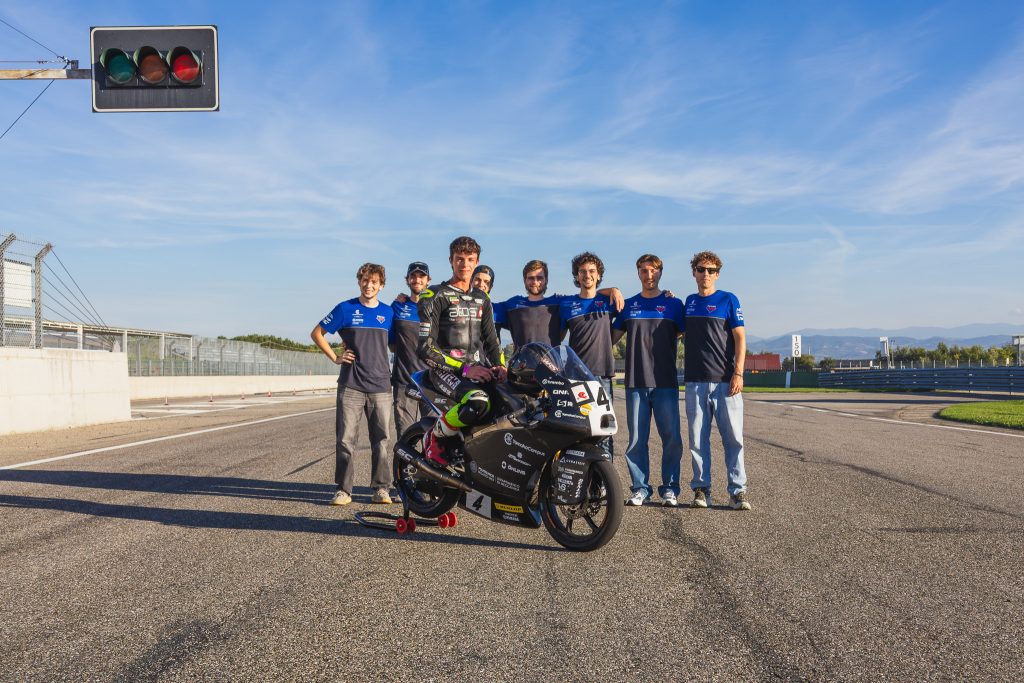
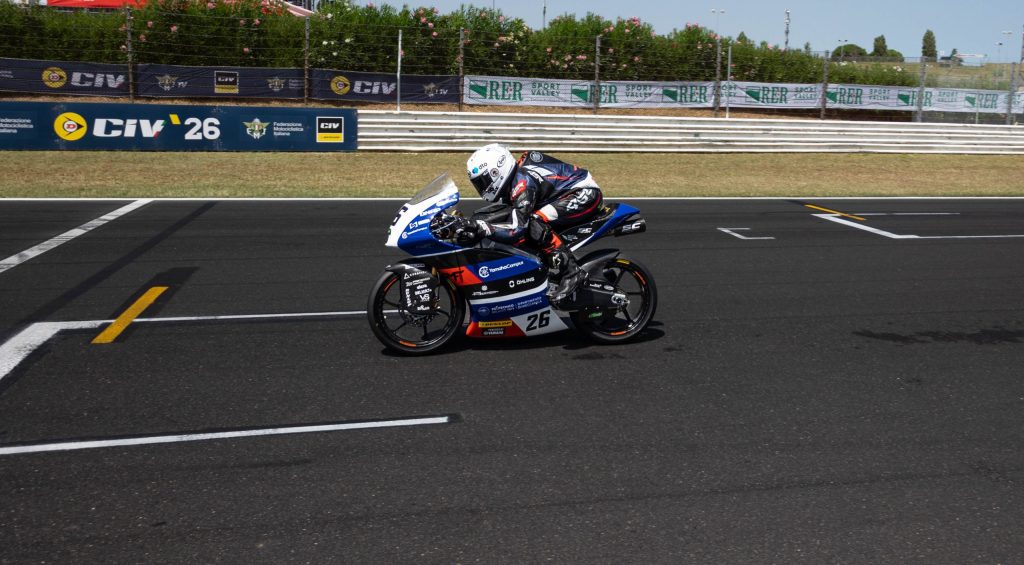
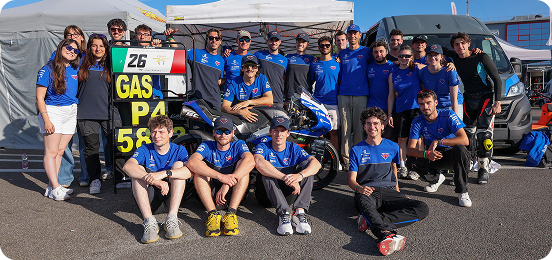
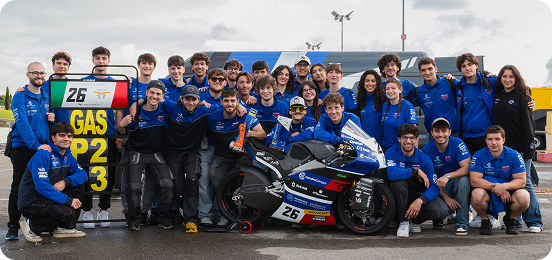
“Polimi Motorcycle Factory (PMF) team members are students in the Department of Mechanics at the Polytechnic University of Milan (Politecnico di Milano). The team was formed to participate in the MotoStudent International Competition, where universities worldwide compete in designing, developing, and manufacturing combustion engines and electric racing motorcycles. The competition culminates in a MotoStudent event at MotorLand Aragón in northeastern Spain, where motorcycles undergo rigorous static and dynamic trials before racing.The PMF team was established in 2015 by five mechanical engineering students driven by a passion for motorcycles. Developing a motorcycle for the MotoStudent event from idea to competition requires an interdisciplinary team of students from mechanical engineering, energy technology, aerospace, electrical and civil engineering, as well as disciplines such as management, design and architecture.The MotoStudent event draws top-shelf competitors from university teams around the world for good reason: Students get to drive innovation into a product they build with their own hands. Theoretical learning becomes reality as research and development, design, testing, engineering, and almost every aspect of bringing a product to market, along with the inherent pressures, must be managed. Each and every team experiences the challenges of communication and collaboration: Along with celebrated successes, mistakes become valuable lessons learned that students take into the real world.The MotoStudent organization provides the same two types of engines to every team in the competition. The petrol (gasoline combustion) engine outputs about 35 kilowatts of peak power, whereas the electric motor outputs about 48 kilowatts. Other than the motor and braking system, all prototype parts must be either bought or produced by the student teams. This hands-on project requires that students apply their academic knowledge in a realistic industry setting, including facing deadline pressures and direct competition.”

@polimimotorcyclefactory